Repairs & potholes
Potholes, cracks, broken edges and sunken patches on driveways, car parks, laneways and private roads.
See repairs & potholesA new asphalt surface over a worn one, for driveways, car parks, laneways and private roads. Where levels need to stay the same, we mill off the old surface first.
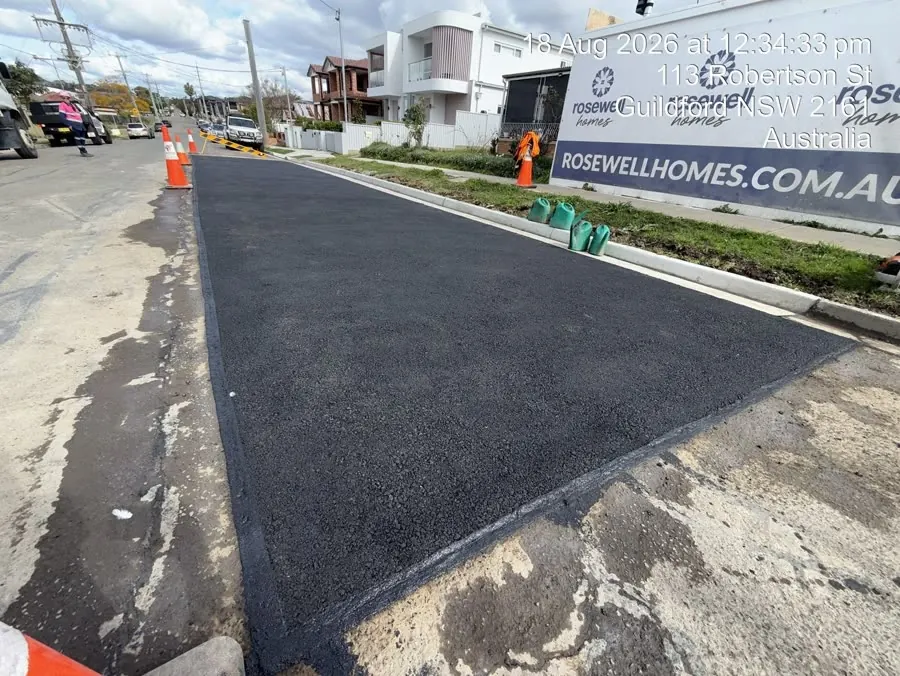
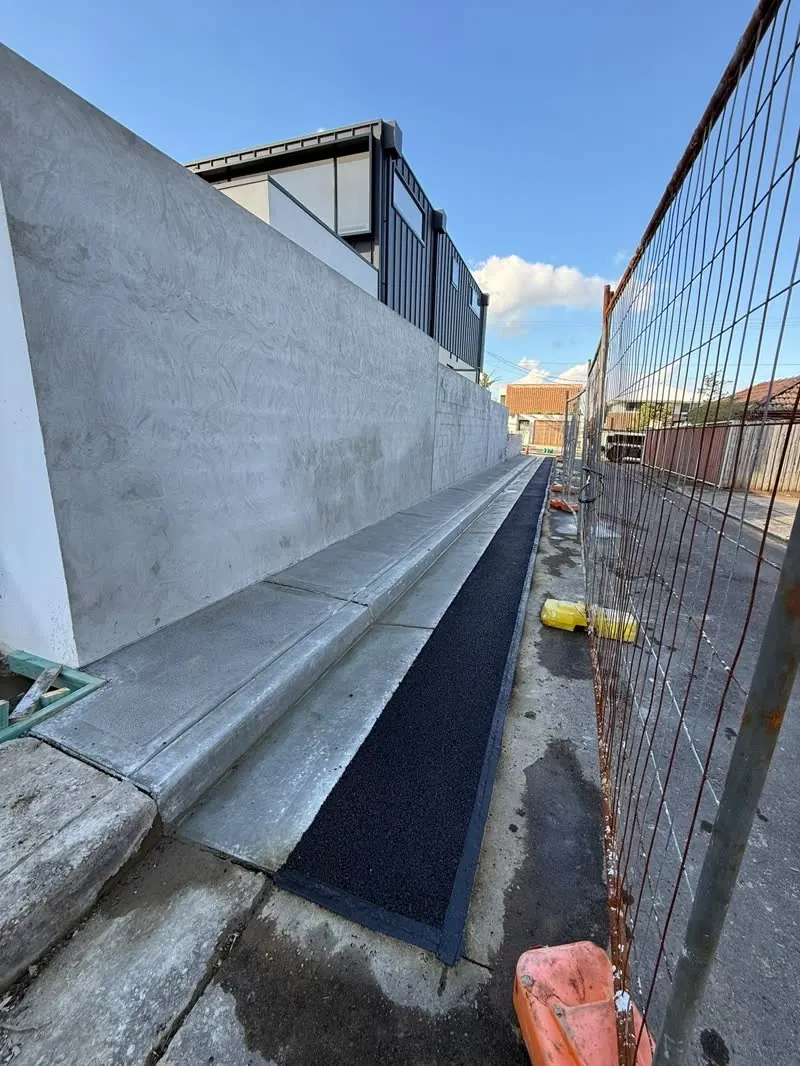
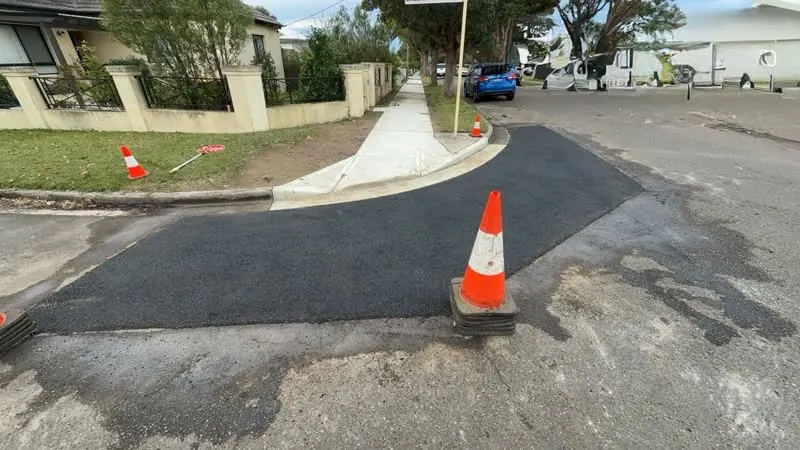
Resurfacing suits asphalt that is worn, faded, cracked or patched across the whole area, but still has a sound base underneath. If the damage is limited to a few spots, repairs are usually better value. If the base has failed, with widespread sinking or soft spots, the area needs rebuilding instead.
An overlay is a new layer of asphalt laid over the existing surface after it has been cleaned, repaired and sprayed with a bonding coat. It renews the surface without digging everything out.
Milling, also called profiling, grinds off the top layer of old asphalt before the new surface goes down. It keeps the finished level the same, so the new surface does not end up higher than garage slabs, kerbs, drains or doorways.
Resurfacing is a chance to correct low spots and puddles. Levelling courses and adjusted falls send water to the drains instead of leaving it to sit and soften the surface.
Where the base has failed, a new top layer will not last. The old pavement is removed, the base is rebuilt and compacted, and new asphalt is laid from the ground up.
For houses, see driveway resurfacing. For strata and commercial sites, see car park resurfacing. For private and access roads, see roads and civil.
Minor cracking can be repaired and sealed before an overlay. Wide or widespread cracking often means the base is moving, and that needs fixing first or the cracks will come back through the new surface.
An overlay adds height. Where that would cause problems, we mill the old surface down first so the finished level stays the same.
It depends on the size of the area and how much preparation is needed. We will give you a timeframe with the quote.