Resurfacing
A new asphalt surface over a worn one, for driveways, car parks, laneways and private roads.
See resurfacing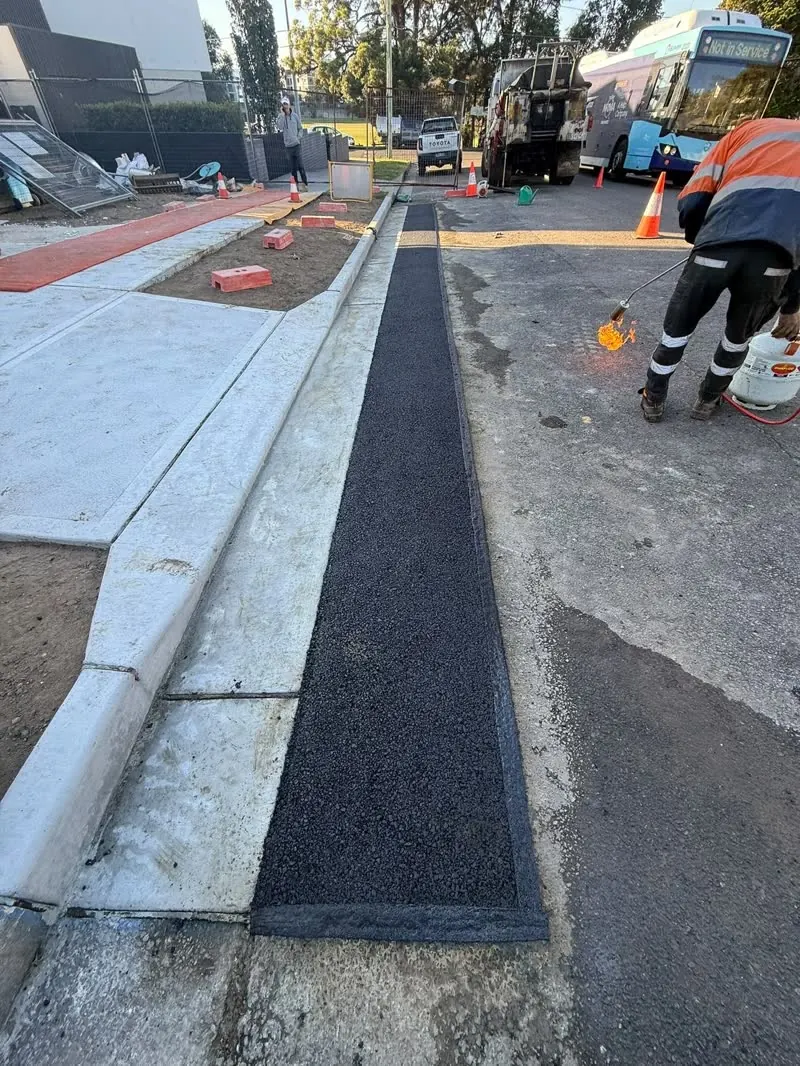
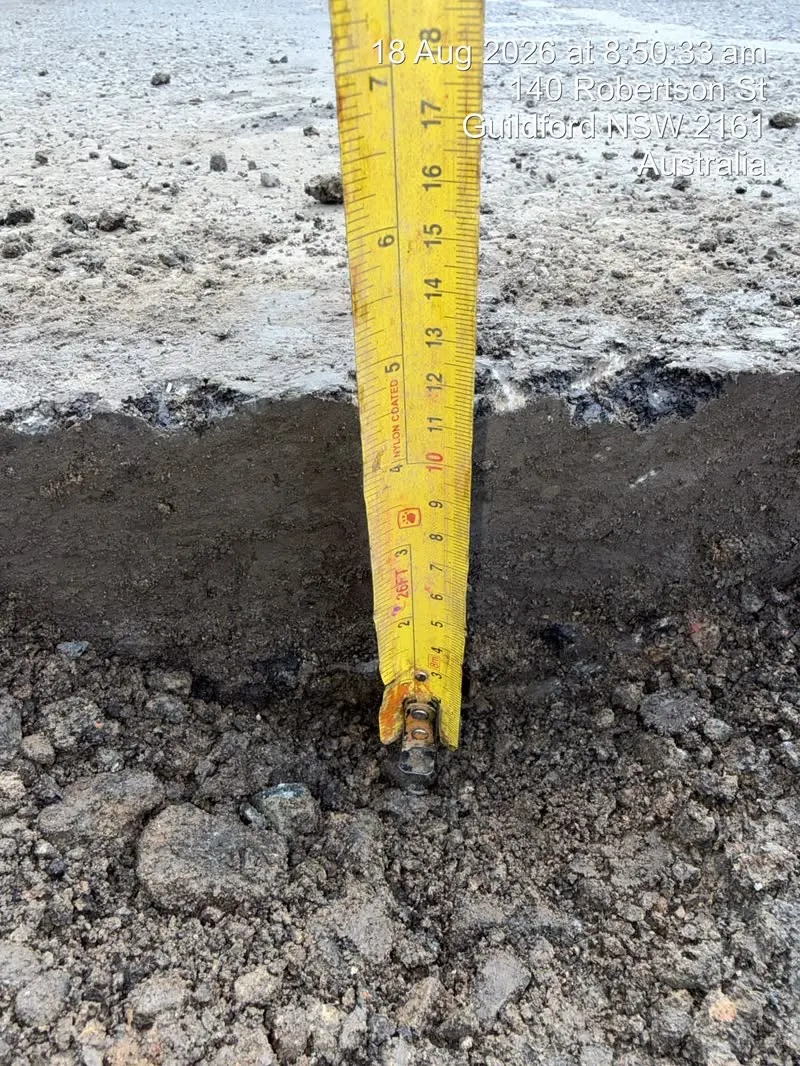
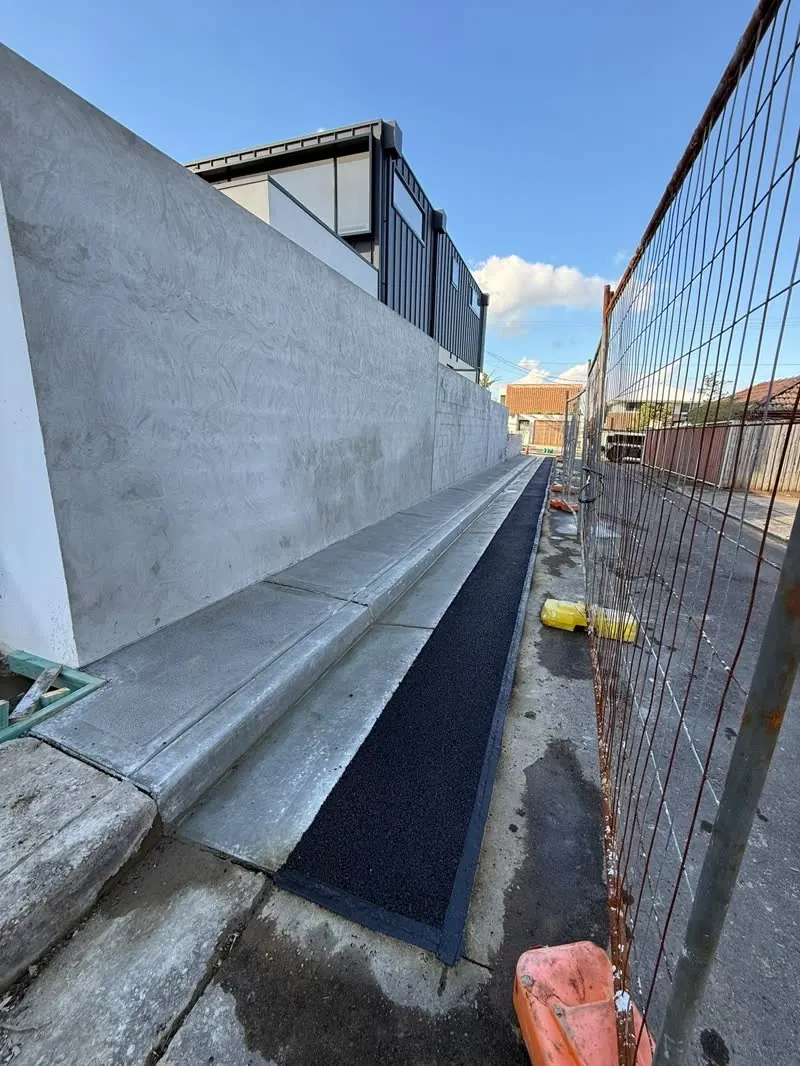
Potholes start when water gets through cracks and softens the base underneath, then traffic breaks the surface apart. A proper repair deals with the cause: the damaged area is cleaned out or cut back to sound material, the edges are sealed, and new asphalt is compacted in.
Overlay patch. New asphalt is laid over the damaged area and feathered out. It is the quickest and most affordable option, and it leaves a slightly raised finish.
Cut-out and replace. The damaged section is saw cut into a square, removed, and replaced with new asphalt flush with the surrounding surface. It takes longer but gives a neater, longer-lasting repair.
We will recommend the option that suits the damage, the traffic and your budget, and explain why.
Sealing cracks while they are still small keeps water out of the base, which is the main thing that turns cracks into potholes. It is one of the cheapest ways to extend the life of an asphalt surface.
Broken edges along driveways and kerbs, sunken patches over old trenches or soft ground, and ruts worn by trucks usually mean the problem is below the surface. These repairs need the base fixed, not just new asphalt on top, or the same spot will fail again.
If the damage is limited to a few areas and the rest of the surface is sound, repairs make sense. If cracking and patches are spread across the whole area, resurfacing is often better value over time. See asphalt resurfacing.
We repair potholes and trip hazards in strata driveways, car parks and shared laneways, and can plan the work to keep access open where possible. See car parks for larger works.
Send us photos and the address through the quote form. We will let you know how we can handle it, including whether it makes sense to fix other damage while we are there.
New asphalt is darker than old asphalt when it is first laid and fades over time. A cut-out repair sits flush with the surface around it; an overlay patch sits slightly raised.
It depends on the method and on the base underneath. A cut-out repair on a sound base generally lasts much longer than a quick overlay patch. We will explain the difference for your job before you decide.