Repairs & potholes
Potholes, cracks, broken edges and sunken patches on driveways, car parks, laneways and private roads.
See repairs & potholesNew driveways, resurfacing and extensions for houses, shared driveways and rural properties. We prepare the base properly first, because that is what decides how long a driveway lasts.
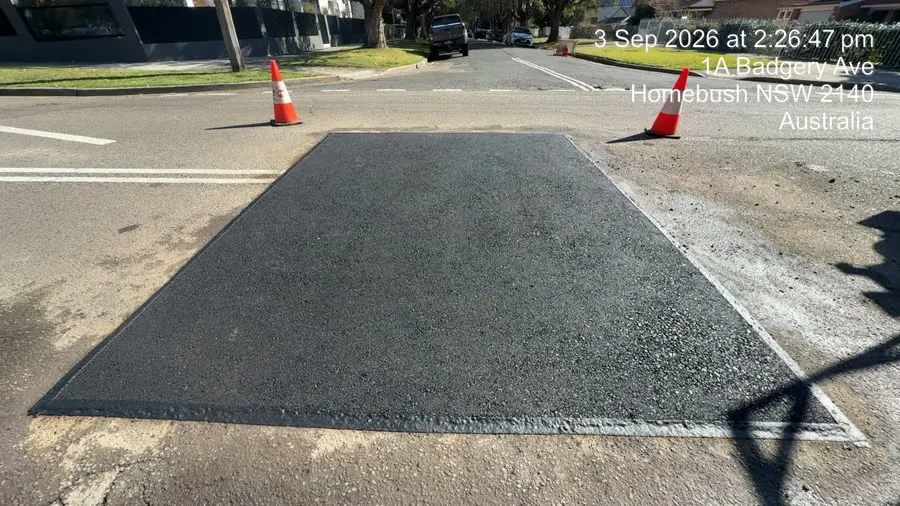
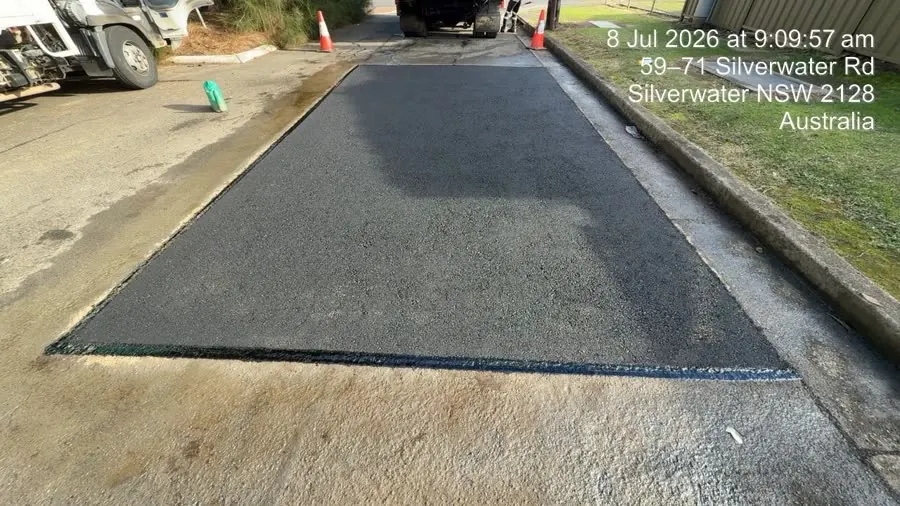
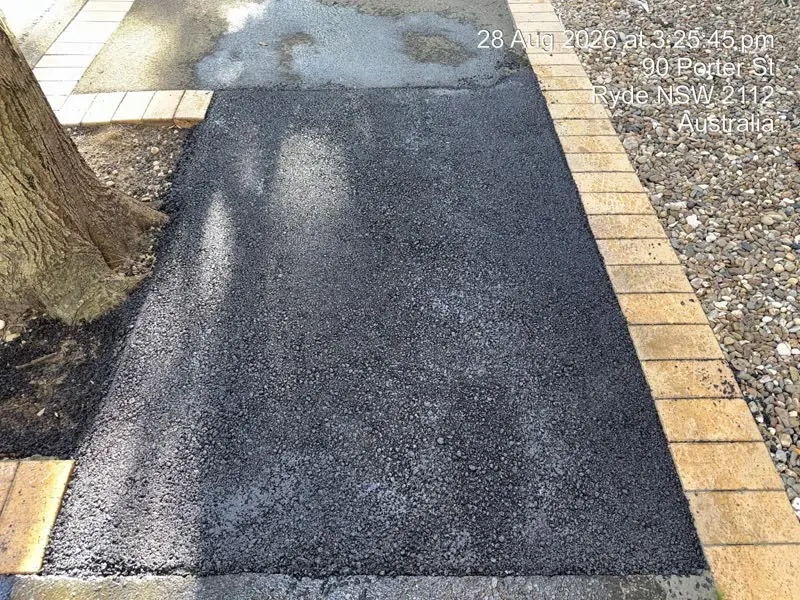
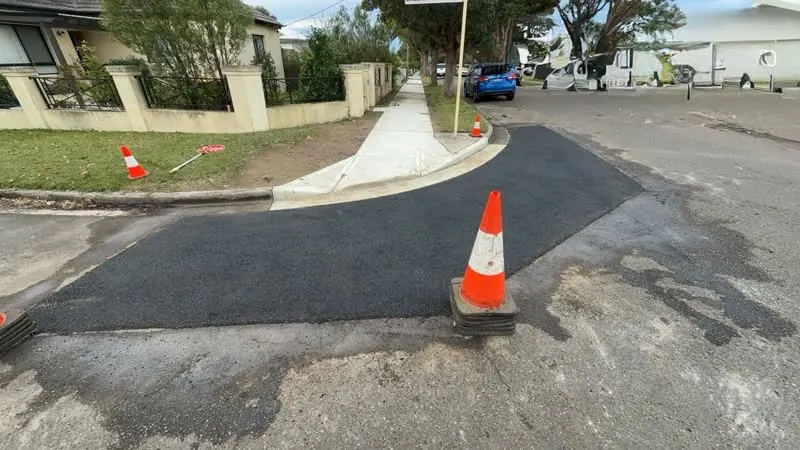
A new driveway starts below the surface. We dig out to the right depth, remove soft or unsuitable ground, lay and compact a road base, and set the falls so water runs off the driveway instead of pooling against the garage or the house.
Hot mix asphalt is then laid over the prepared base and rolled while it is still hot. Getting the base and compaction right is the difference between a driveway that stays smooth and one that cracks and sinks within a couple of years.
If the base underneath is still sound, a worn or cracked driveway can often be resurfaced with a new asphalt layer instead of being rebuilt. We check the existing surface for soft spots, sinking and drainage problems first, fix those, then lay the new surface.
Where the new layer would sit too high against a garage slab, kerb or path, the old surface can be milled down first so the finished levels stay where they need to be.
People use the two words interchangeably, but they are different finishes. Asphalt, or hot mix, is bitumen and crushed stone mixed at the plant, laid hot and rolled smooth. A bitumen spray seal is binder sprayed onto a prepared base with stone rolled into it.
Asphalt gives the smooth, dense finish most people want at the front of a house. A spray seal costs less per square metre and has a rougher, stonier finish, so it suits long rural driveways and farm access roads. We can talk you through which fits your property at the site look.
Asphalt generally costs less up front than concrete, can be driven on sooner, and flexes slightly with ground movement rather than cracking along joints. Concrete suits decorative finishes and very steep sites. If you are weighing the two, send us photos and we will tell you honestly which suits the site.
Single and double driveways, shared and battle-axe driveways, circular driveways, garage aprons, driveway extensions and rural property access. The section across the council verge, the crossover, is covered on our reinstatement page, and long rural driveways may suit spray sealing.
The size of the area, how much old surface has to come out, the condition of the ground underneath, drainage work, and access for trucks and machinery. The quickest way to an accurate price is the quote form with a few photos and rough measurements.
Sometimes. If the concrete is stable, without major cracking or movement, asphalt can be laid over it. If slabs are lifting or broken, they need to come out first. We check this at the site look.
We will tell you on the day, because it depends on the weather. For the first few days, avoid heavy vehicles, turning your wheels on the spot, and parking in exactly the same place, especially in hot weather.
Work on the council verge usually needs council approval. Check with your council before the job, and ask us if you are unsure what applies to your property.